ADA & Accessibility for Los Angeles Vacation Rentals
Navigating accessibility requirements for your LA short-term rental can feel complex. We break down the key considerations, from reasonable accommodations to honest marketing.
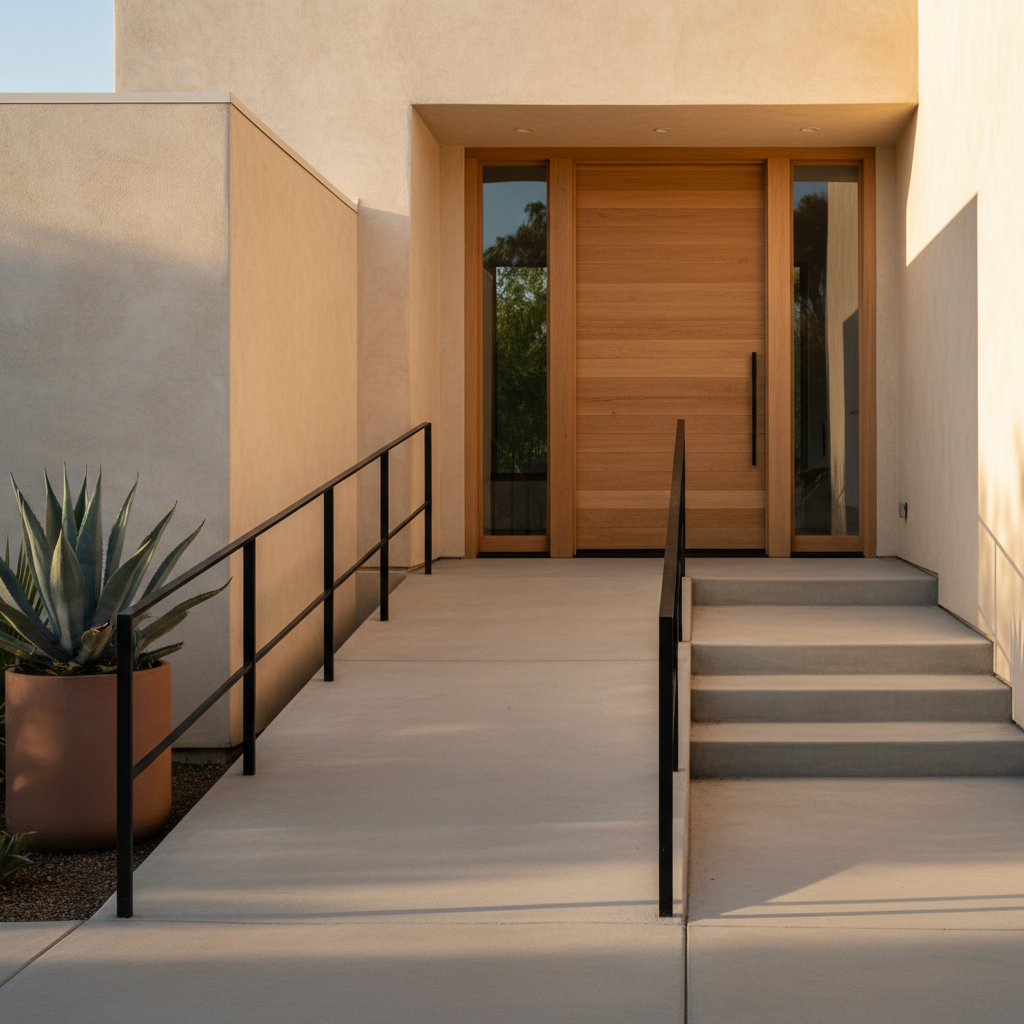
As a homeowner in Los Angeles, turning your property into a short-term rental involves navigating a maze of regulations. Among the most important—and often misunderstood—are the rules surrounding accessibility. While the idea of legal compliance can be intimidating, approaching accessibility is also an opportunity to be a more inclusive host and welcome a wider range of guests to your home.
We find that most owners want to do the right thing, but they're unsure where to start. This guide is designed to provide clarity on the key issues, from understanding the relevant laws to making practical updates and describing your property accurately.
Understanding the Legal Landscape
When people hear “accessibility,” they often think of the Americans with Disabilities Act (ADA). However, the legal framework for a private home used as a short-term rental is more nuanced. It’s not just one law, but a combination of federal acts and platform-specific policies.
The ADA and its role
Title III of the ADA is the section that requires places of public accommodation—like hotels, restaurants, and retail stores—to be accessible. For the most part, a single-family home rented out on a short-term basis is not considered a place of public accommodation. Therefore, the strict design and construction standards of the ADA typically don't apply.
However, the lines can blur. If you own a multi-unit building and rent out many units, or if your property functions more like a hotel or inn, the law might see it differently. For these more complex situations, consulting with an attorney who specializes in this area is the only way to get a definitive answer.
The Fair Housing Act (FHA)
The FHA has a broader reach. This federal law prohibits discrimination in housing based on disability, race, religion, and other protected classes. For short-term rental hosts, the most relevant part is the requirement to provide “reasonable accommodations.”
This means you cannot refuse to rent to someone because of a disability. It also means you must consider requests to change your standard rules or policies to allow a person with a disability to use and enjoy your property. The most common example is making an exception to a “no pets” policy for a guest with a service animal.
Platform Policies (Airbnb, Vrbo, etc.)
Regardless of federal law, the platforms you list on have their own binding rules. Airbnb’s Nondiscrimination Policy, for example, explicitly requires hosts to provide reasonable accommodations, with a major focus on service animals. They've invested heavily in helping guests find accessible properties, creating detailed search filters and checklists for hosts.
Failing to comply with these platform rules can lead to listing suspension or being removed from the platform entirely. In practice, these policies are often the most direct and immediate standard that hosts must meet. For this reason, much of the conversation around Airbnb ADA compliance is really about meeting Airbnb's specific requirements, which are based on principles from the FHA and ADA.
Accommodations vs. Modifications
Understanding the difference between an accommodation and a modification is key to handling guest requests properly.
Reasonable Accommodations: Changes in Policy
A reasonable accommodation is a change, exception, or adjustment to a rule, policy, or service. As mentioned, the classic case is allowing a service animal in a property with a no-pet rule. Other examples could include:
- Providing a reserved parking space close to the entrance if you have multiple spots.
- Agreeing to a specific check-in process to assist a guest with a cognitive disability.
Generally, you are required to grant these requests unless doing so would impose an “undue financial and administrative burden.” For a typical STR host, waiving a pet fee for a service animal is not considered an undue burden.
A Note on Service Animals
This is a frequent point of confusion. Here’s what you need to know:
- Service animals are not pets. They are working animals trained to perform specific tasks for a person with a disability. Emotional support animals, comfort animals, and therapy animals are not legally considered service animals under the ADA and platform policies often treat them differently.
- You cannot charge a pet fee. You can, however, seek compensation through the platform's resolution center if the animal causes actual damage beyond normal wear and tear.
- You can ask only two questions: When it's not obvious what service the animal provides, you can legally ask: (1) "Is the dog a service animal required because of a disability?" and (2) "What work or task has the dog been trained to perform?" You cannot ask about the person's disability, require medical documentation, or ask for a demonstration of the task.
Refusing a booking to a guest with a legitimate service animal is a violation of the FHA and platform policies.
Reasonable Modifications: Physical Changes
A reasonable modification is a physical change to the property, like installing a ramp or grab bars. In the long-term rental context, tenants are often allowed to make these changes at their own expense.
In the short-term rental world, it's highly unlikely you would be required to make a physical modification for a specific guest's short stay. Instead, the focus is on what accessible features your property already has. This shifts the conversation toward investment and marketing, not on-demand construction.
Upgrading and Marketing Accessibility
Making your property more accessible doesn't have to mean a complete, down-to-the-studs renovation. Even small changes can make a big difference for guests and open your property to a market of travelers who are actively searching for these features. An accessible vacation rental is a significant competitive advantage.
Common Accessibility Upgrades
Consider a tiered approach to improvements. Some are simple weekend projects, while others are larger investments.
Lower-Cost Improvements:
- Hardware: Swap out round doorknobs for lever-style handles.
- Bathrooms: Add securely mounted grab bars in the shower and next to the toilet. Provide a shower chair and a non-slip bath mat.
- Lighting: Ensure all pathways, entrances, and rooms are well-lit. Use rocker-style light switches instead of small toggles.
- Rugs: Remove unnecessary throw rugs that can be a tripping hazard, or secure them firmly with non-slip backing.
Higher-Impact Investments:
- Zero-Step Entry: Creating at least one entrance to the home that does not require any steps is one of the most valuable features for a wheelchair accessible STR in LA.
- Ramps: If a zero-step entry isn't feasible, a permanent, properly graded ramp is the next best thing.
- Walk-in or Roll-in Shower: A shower without a curb is a major feature for guests with mobility challenges.
- Widening Doorways: A standard wheelchair needs a doorway with about 32 inches of clear width. Expanding key doorways (like to the bathroom and a primary bedroom) can make a home truly accessible.
How to Describe Accessibility on Your Listing
Honesty and detail are everything. The worst thing you can do is over-promise. A guest who expects an accessible stay and arrives to find unexpected barriers will be, at best, disappointed and, at worst, in an unsafe situation.
- Use the Checklists: Airbnb and other platforms have detailed accessibility checklists. Go through your home and check off every feature you have. If you don't have it, don't check it.
- Take Photos: Photograph every accessible feature you claim to have. Show the ramp, the grab bars, the roll-in shower. Add captions that explain the feature.
- Provide Measurements: Don't just say a doorway is “wide.” Measure it. Say, “The bedroom doorway has a clear width of 34 inches.” This objective information allows guests to decide for themselves if the space will work for them.
- Mention a Lack of Features: It’s equally important to point out potential barriers. Be upfront. “Please note there are three steps required to enter the home,” or “The guest bathroom is on the second floor, accessible via a 15-step staircase.” This builds trust and prevents bad reviews.
When to Seek Professional Guidance
While this overview covers the basics, every property and situation is unique. Sometimes, you need an expert.
If you have specific legal questions about whether your property falls under ADA public accommodation rules or how to handle a complex guest request, it’s wise to consult an attorney. But for the day-to-day operational side of things—from vetting guest communications to optimizing your listing—a professional manager can be an invaluable partner. At Nama Realty, we help owners navigate these complexities as a core part of our work. Our full-service management offering handles these details, and you can learn more about our services.
Thinking proactively about accessibility isn't just about risk management. It's about providing genuine hospitality. By making thoughtful improvements and communicating honestly, you can create a safer, more welcoming experience for all guests and position your property for success.
If you're an LA homeowner with questions about making your property more accessible or managing the operational demands of a short-term rental, we invite you to contact us. We're here to help.
Tired of managing all this yourself?
We run pricing, guests, cleaning, and compliance for premium LA homes. You keep 80%.